A software developer typing code on a laptop at an office desk

Software Engineering Study in Malaysia: How It Compares with Law and Broadcasting Paths

A software engineering degree is mostly about teams, not lone genius

Ask a group of SPM leavers what software engineering means and many will describe someone coding alone at 2am with energy drinks. The real job, and most degree programmes in Malaysia, look quite different. You spend a lot of time writing requirements, arguing about design, testing other people’s work and explaining trade-offs in plain English to people who do not code. Coding matters, but it sits inside a bigger process.

If you are reading course pages right now, look for that process language. An honours-level software engineering programme outline should mention requirements, design, testing and project management somewhere, not just a list of programming languages. If those words are missing, ask the admissions team why.

A software developer typing code on a laptop at an office desk
Most of the week is reading, testing and fixing code, often code someone else wrote.

What the coursework usually looks like, year by year

Year one tends to be foundations: programming basics, discrete maths, databases and an introduction to computer systems. Students who struggled with Additional Mathematics often find the logic modules the steepest climb, so brushing up before the first semester is a kindness to your future self.

Year two is where the engineering part shows up. Expect modules on design patterns, requirements engineering and quality assurance. Group projects become common, and so do the usual group project headaches. The final stretch usually brings an industrial placement and a final year project, which is often the piece employers ask about first in interviews.

The IEEE Computer Society keeps a Software Engineering Body of Knowledge that maps the field into areas such as requirements, construction, testing and maintenance. It is dry reading. Still, skimming the table of contents gives you a checklist to hold against any bachelor syllabus.

A short CrashCourse primer on how building software in teams differs from simply writing code.

Why some families weigh it against the CLP route

It sounds like an odd comparison, but it comes up at a lot of Malaysian dinner tables. Both paths lead to a professional title, both involve years of structured study and both end with an assessment that decides whether you can practise. For law graduates who did not come through a recognised qualifying degree, the Certificate in Legal Practice is that gate.

The difference is the shape of the daily work. Legal practice training rewards close reading, memory, written argument and exam stamina. Software engineering rewards iterative building, debugging and comfort with being wrong several times a day. If you want a feel for the legal side, this outline of the CLP route describes subjects and assessment in more detail than most brochures. The Legal Profession Qualifying Board sets the rules, so its notices are worth checking for exam dates and eligibility changes.

Neither is the safe option. Pick the routine you can live with for years.

Broadcasting diplomas reward a different kind of discipline

Some students who enjoy the creative side of tech end up looking at media courses instead. A broadcasting diploma is shorter, more hands-on and heavily portfolio-driven. You learn camera work, editing, scripting, studio production and the basics of presenting, often on equipment you would never touch at home.

Television studio with professional cameras on pedestals facing a green screen
Studio modules teach timing and teamwork as much as camera skills.

The overlap with software is bigger than people think. Streaming platforms, editing pipelines and live production systems all run on code, and crews increasingly value someone who understands both sides. A broadcasting and film diploma description will usually list practical modules alongside media law and ethics, which is a good sign the programme takes industry rules seriously.

Content and broadcasting rules in Malaysia sit with the Malaysian Communications and Multimedia Commission. Students rarely read its guidelines, but anyone planning to work in broadcast or online video should at least know where they live.

A weekend test before you sign anything

Instead of choosing from brochures alone, try a small experiment. Spend one Saturday following a free beginner programming tutorial and building something tiny, like a to-do list. Spend Sunday reading a short court judgment or legal article and summarising it in one page. If media pulls at you, film and edit a two-minute clip on your phone.

Notice which task made time disappear and which one you kept avoiding. That reaction tells you more than any ranking table. Then visit at least two campuses, ask to see a real final year project or student portfolio, and ask how many recent graduates found relevant work within six months. Honest answers to those questions are worth more than open day slides.


Blue-gloved hands using a pipette to transfer red liquid into glass test tubes on a lab bench

Workplace Drug Testing Kits in Malaysia Explained

Why workplaces use rapid screening kits

Employers and occupational-health teams use screening programmes to manage safety-sensitive roles, meet contract requirements, or support a written drug-free workplace policy. Separate from employment programmes, clinics and public-health partners also use rapid tests for hepatitis and HIV as part of testing and referral pathways. This article is lab and workplace education. It is factual and non-alarmist. It is not medical advice, a diagnosis, or a substitute for confirmatory laboratory testing.

Urine drug screening: panel, process, and limits

A typical workplace urine screen looks for a defined drug panel at defined cutoffs. Collection quality, chain-of-custody steps, and invalid-result rules matter as much as the strip itself. US federal workplace programmes described by SAMHSA workplace resources emphasise certified laboratories and medical review for regulated testing. Many private Malaysian programmes are not identical to those rules, yet the same logic applies: write the purpose, train collectors, and define what happens after a non-negative screen.

Product pages that describe a urine drug test kit are most useful when read beside your policy: which analytes, what cutoff language, how to handle dilute or invalid samples, and when a laboratory confirmation is required. A screen is a signal. Confirmation and clinical interpretation decide next steps.

Collectors need a written script for adulteration checks, temperature readings where required, and what to do when a donor cannot produce a sample. Without that script, two sites will invent two different habits by week three. Keep the kit insert beside the policy so cutoff language does not drift into informal WhatsApp summaries.

Blue-gloved hands using a pipette to transfer red liquid into glass test tubes on a lab bench
Specimen handling sits inside a wider workplace screening stack: policy, consent, kit discipline, and confirmation.

Hepatitis rapid tests in occupational and clinical context

Hepatitis B and C rapid kits are used in screening workflows where a quick signal can prompt confirmatory serology and clinical follow-up. Window periods, vaccination history (for hepatitis B), and the difference between screening and diagnosis should be explained in plain language. The CDC hepatitis overview is a stable reference for transmission basics and why reactive rapid results need laboratory confirmation.

Organisations evaluating hepatitis rapid test kits should document lot numbers, storage conditions, and staff training. A reactive workplace or outreach screen is a referral moment, not a final clinical label. Keep a written path to confirmatory testing before you roll out kits to more sites.

For hepatitis programmes, log which antigen or antibody the kit detects and how staff explain a reactive line to a worker who is anxious and late for a shift. Clarity here prevents rumours from becoming unofficial diagnoses. Pair every outreach day with a named clinic that will accept referrals the same week.

University lecture on workplace drug testing concepts. Educational context; local labour and medical rules in Malaysia may differ.

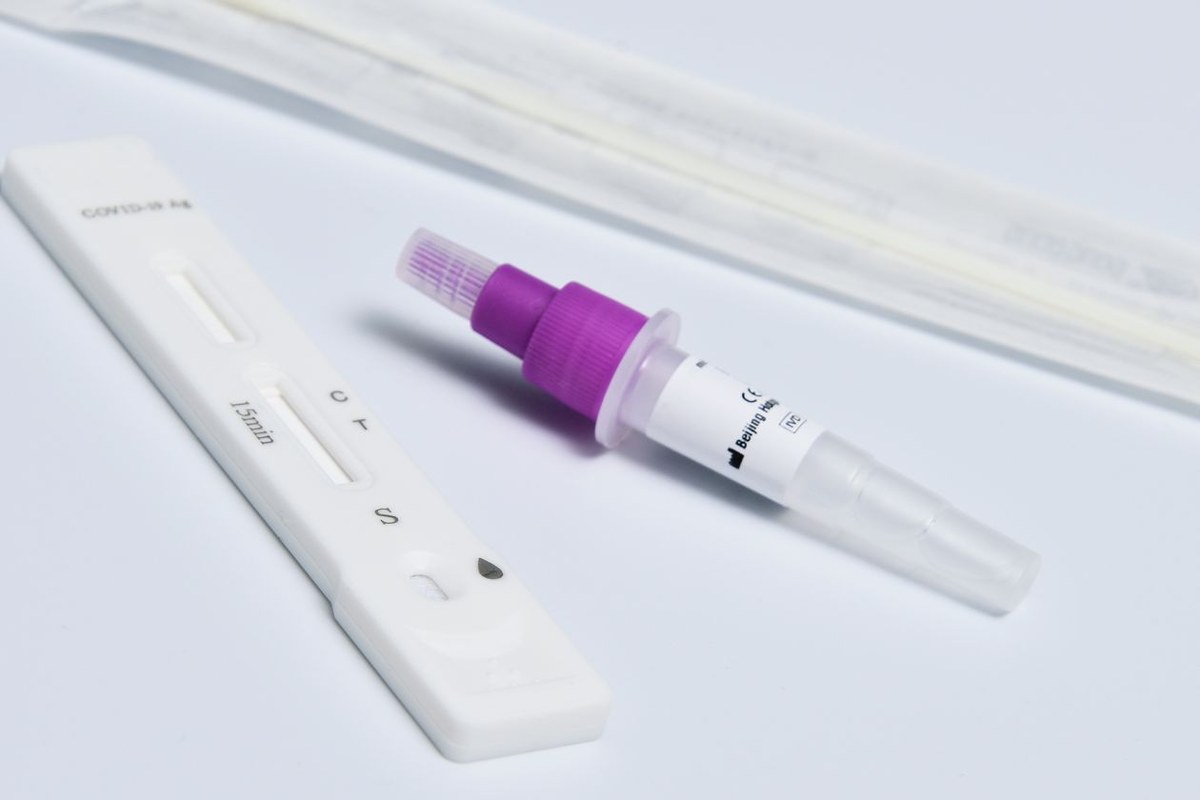
Rapid antigen test cassette beside a purple-capped buffer tube and a sealed sterile swab on a white surface
Rapid kits still need instructions, controls, and a confirmation path no matter the analyte.

HIV self-testing: privacy, windows, and linkage to care

HIV self-tests and rapid kits can expand access when paired with clear instructions and a path to confirmatory testing. The World Health Organization summarises self-testing principles in its HIV testing and diagnostics guidance: a reactive result is preliminary, and linkage to care matters. Readers comparing an HIV self-test option should also learn the window period after a recent exposure and where to seek confirmatory services in Malaysia.

Privacy training for staff who may see results is part of programme design. Kits without a referral plan create confusion rather than care.

HIV programmes should also rehearse how to answer window-period questions without inventing certainty. A clear brochure and a hotline beat an improvised corridor conversation. If your organisation cannot guarantee privacy for result handling, pause distribution until that gap is closed.

Programme hygiene that keeps screening fair

Write who is tested and why. Protect result privacy. Train for invalid lines and documentation. Soft planning question for this quarter: if a screen is non-negative tomorrow morning, does your team already know the confirmation lab, the medical contact, and the employee communication script?