Why workplaces use rapid screening kits
Employers and occupational-health teams use screening programmes to manage safety-sensitive roles, meet contract requirements, or support a written drug-free workplace policy. Separate from employment programmes, clinics and public-health partners also use rapid tests for hepatitis and HIV as part of testing and referral pathways. This article is lab and workplace education. It is factual and non-alarmist. It is not medical advice, a diagnosis, or a substitute for confirmatory laboratory testing.
Urine drug screening: panel, process, and limits
A typical workplace urine screen looks for a defined drug panel at defined cutoffs. Collection quality, chain-of-custody steps, and invalid-result rules matter as much as the strip itself. US federal workplace programmes described by SAMHSA workplace resources emphasise certified laboratories and medical review for regulated testing. Many private Malaysian programmes are not identical to those rules, yet the same logic applies: write the purpose, train collectors, and define what happens after a non-negative screen.
Product pages that describe a urine drug test kit are most useful when read beside your policy: which analytes, what cutoff language, how to handle dilute or invalid samples, and when a laboratory confirmation is required. A screen is a signal. Confirmation and clinical interpretation decide next steps.
Collectors need a written script for adulteration checks, temperature readings where required, and what to do when a donor cannot produce a sample. Without that script, two sites will invent two different habits by week three. Keep the kit insert beside the policy so cutoff language does not drift into informal WhatsApp summaries.

Hepatitis rapid tests in occupational and clinical context
Hepatitis B and C rapid kits are used in screening workflows where a quick signal can prompt confirmatory serology and clinical follow-up. Window periods, vaccination history (for hepatitis B), and the difference between screening and diagnosis should be explained in plain language. The CDC hepatitis overview is a stable reference for transmission basics and why reactive rapid results need laboratory confirmation.
Organisations evaluating hepatitis rapid test kits should document lot numbers, storage conditions, and staff training. A reactive workplace or outreach screen is a referral moment, not a final clinical label. Keep a written path to confirmatory testing before you roll out kits to more sites.
For hepatitis programmes, log which antigen or antibody the kit detects and how staff explain a reactive line to a worker who is anxious and late for a shift. Clarity here prevents rumours from becoming unofficial diagnoses. Pair every outreach day with a named clinic that will accept referrals the same week.
University lecture on workplace drug testing concepts. Educational context; local labour and medical rules in Malaysia may differ.
HIV self-testing: privacy, windows, and linkage to care
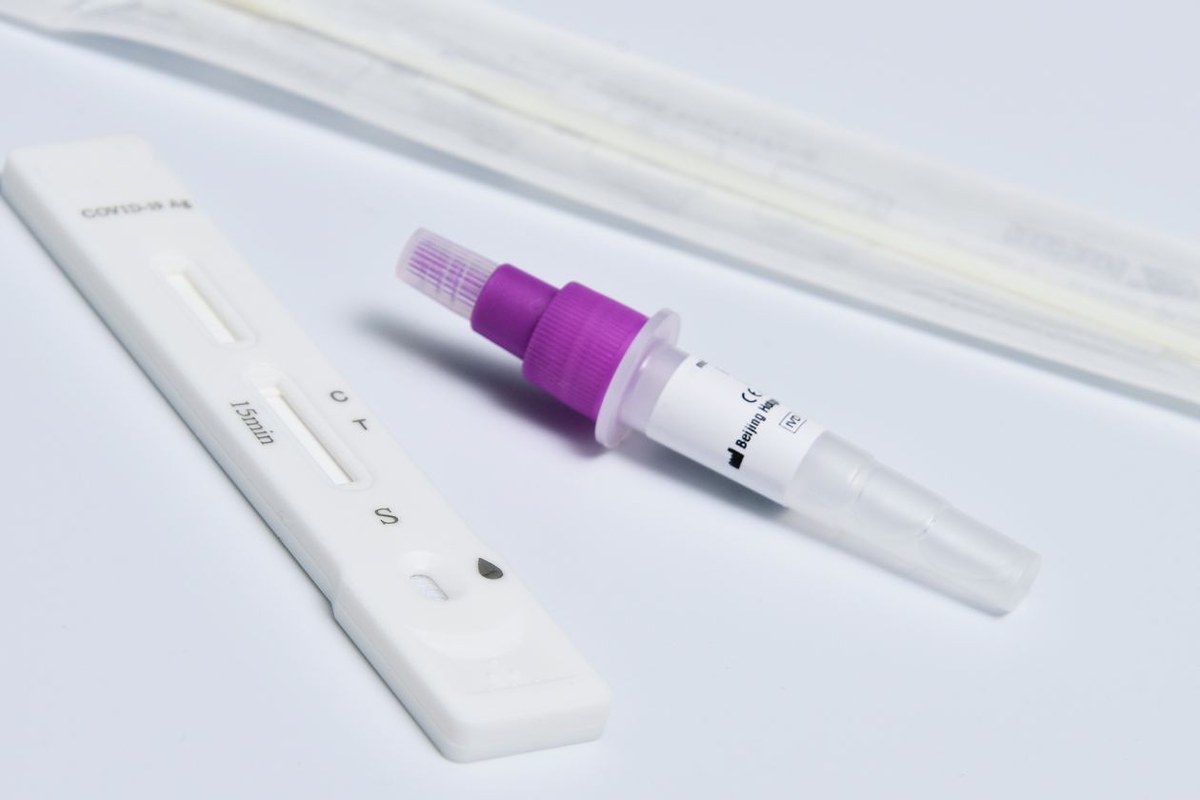
HIV self-tests and rapid kits can expand access when paired with clear instructions and a path to confirmatory testing. The World Health Organization summarises self-testing principles in its HIV testing and diagnostics guidance: a reactive result is preliminary, and linkage to care matters. Readers comparing an HIV self-test option should also learn the window period after a recent exposure and where to seek confirmatory services in Malaysia.
Privacy training for staff who may see results is part of programme design. Kits without a referral plan create confusion rather than care.
HIV programmes should also rehearse how to answer window-period questions without inventing certainty. A clear brochure and a hotline beat an improvised corridor conversation. If your organisation cannot guarantee privacy for result handling, pause distribution until that gap is closed.
Programme hygiene that keeps screening fair
Write who is tested and why. Protect result privacy. Train for invalid lines and documentation. Soft planning question for this quarter: if a screen is non-negative tomorrow morning, does your team already know the confirmation lab, the medical contact, and the employee communication script?